

Trends in Team Building 2025: Boosting Engagement and Results
December 13, 2025

Most American companies are embracing a new era in team building, driven by rapid changes in workplace technology and culture. Nearly 80 percent of American organizations now use data and digital platforms to shape teamwork, a dramatic shift from old approaches relying on occasional group outings. As work evolves across remote, hybrid, and in-person settings, understanding these modern strategies matters more than ever. This guide explores what sets the latest team building practices apart and how they drive real engagement for American teams in 2025.
Table of Contents
- Defining Modern Team Building In 2025
- Evolving Formats: Remote, Hybrid, And In-Person
- Technology's Role: Gamification And Interactivity
- Personalization, Diversity, And Well-Being Drivers
- Key Challenges: Engagement, Measurement, And Roi
Key Takeaways
| Point | Details |
|---|---|
| Modern Team Building | In 2025, team building focuses on strategic, data-driven engagement, prioritizing continuous collaboration over occasional activities. |
| Technological Integration | Organizations leverage advanced digital tools for seamless communication, bridging geographical gaps and enhancing collaboration. |
| Personalization and Diversity | Successful teams prioritize individual well-being and diverse perspectives, ensuring tailored support for team dynamics and growth. |
| Engagement Measurement | Modern engagement metrics focus on qualitative insights, going beyond traditional productivity measures to capture the complexities of team dynamics. |
Defining Modern Team Building in 2025
Modern team building in 2025 represents a profound transformation from traditional approaches, shifting toward strategic, data-driven engagement that recognizes teams as dynamic living systems. McKinsey's 2025 analysis introduces groundbreaking models highlighting three critical team archetypes - cycling, relay, and rowing - each demanding unique performance strategies.
Unlike previous decades where team building meant occasional retreats or superficial activities, 2025's approach centers on continuous, intentional collaboration. Contemporary team building practices now emphasize reducing role ambiguity, aligning collective goals, and developing robust working relationships through targeted interventions. These interventions are no longer optional luxuries but essential mechanisms for organizational adaptability.
Key characteristics of modern team building include:
- Technological Integration: Leveraging digital platforms for seamless remote collaboration
- Psychological Safety: Creating environments where team members feel comfortable taking risks
- Adaptive Learning: Continuous skill development and knowledge sharing
- Performance Analytics: Using data to track team dynamics and effectiveness
Successful teams in 2025 will prioritize flexibility, emotional intelligence, and strategic interdependence. Organizations must invest in building not just skills, but genuine human connections that transcend traditional hierarchical boundaries.
Evolving Formats: Remote, Hybrid, and In-Person
The landscape of team building in 2025 has transformed dramatically, with organizations embracing three distinct yet interconnected work formats: remote, hybrid, and in-person. Innovative research exploring Scrum practices reveals the complex communication challenges teams now navigate, demonstrating that successful collaboration transcends physical location.
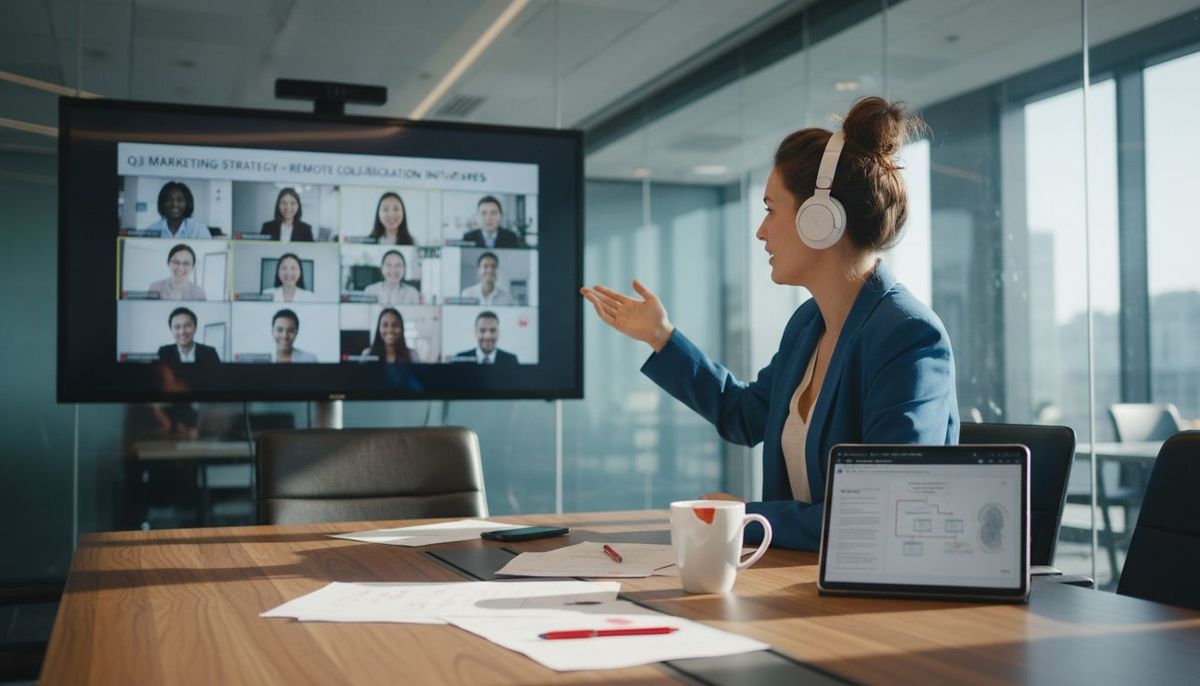
Remote work has become more than a temporary solution - it's a strategic approach requiring intentional design. Teams are developing sophisticated communication mechanisms that bridge geographical distances, utilizing advanced digital platforms and structured virtual interaction protocols. Academic research on teamwork development underscores the critical role of deliberate engagement strategies in maintaining team cohesion.
Key considerations for modern team building across formats include:
- Technology Infrastructure: Robust digital tools supporting seamless communication
- Flexible Participation: Accommodating diverse work preferences and global team compositions
- Inclusive Design: Creating experiences that engage team members regardless of physical location
- Performance Measurement: Tracking collaborative effectiveness through data-driven metrics
Successful organizations in 2025 recognize that effective team building is no longer about physical proximity, but about creating meaningful connections, shared understanding, and aligned objectives across diverse working environments.
Technology's Role: Gamification and Interactivity
In 2025, technology has revolutionized team building by transforming passive learning into dynamic, interactive experiences. Interactive team games represent a sophisticated approach to engagement, leveraging digital platforms to create immersive collaborative environments that transcend traditional training methods.
Gamification has emerged as a powerful strategy for boosting team motivation and learning retention. By incorporating game-like elements such as points, challenges, and real-time feedback, organizations can create compelling experiences that simultaneously entertain and educate. These technological interventions help break down communication barriers, encourage creative problem-solving, and foster a sense of shared achievement among team members.
Key technological approaches in team building include:
- Digital Simulation Platforms: Creating realistic scenario-based learning experiences
- AI-Powered Interaction Tools: Personalizing team challenges and feedback
- Adaptive Learning Technologies: Dynamically adjusting difficulty and engagement levels
- Collaborative Virtual Environments: Enabling seamless interaction across geographical boundaries
Successful organizations recognize that technology is no longer just a support mechanism but a core driver of team dynamics. By understanding the strategic use of game-based interactions, companies can transform team building from a mundane requirement into an exciting, meaningful journey of collective growth and skill development.
Personalization, Diversity, and Well-Being Drivers
The landscape of team building in 2025 has fundamentally transformed, placing individual well-being and diverse perspectives at the core of organizational strategy. Innovative project management frameworks utilizing Generative AI are revolutionizing team composition by intelligently identifying and bridging potential gaps in team dynamics, ensuring more balanced and effective collaborative environments.
Personalization has emerged as a critical driver of team engagement, moving beyond traditional one-size-fits-all approaches. Organizations are now developing nuanced strategies that recognize individual strengths, learning styles, and psychological needs. McKinsey's comprehensive analysis of workplace collaboration underscores the importance of understanding unique team patterns and creating conditions that genuinely support individual and collective growth.
Key principles of modern team development include:
- Psychological Safety: Creating environments where team members feel valued and heard
- Adaptive Support Systems: Tailoring resources to individual and team needs
- Holistic Well-Being Approaches: Addressing mental, emotional, and professional development
- Inclusive Design: Ensuring representation and meaningful participation for all team members
Successful organizations recognize that true team effectiveness stems from deeply understanding and celebrating individual differences while simultaneously creating a unified, supportive collaborative ecosystem.
Key Challenges: Engagement, Measurement, and ROI
Emerging research on remote collaboration reveals complex challenges facing modern organizations, particularly in measuring team performance and maintaining engagement across diverse working environments. The traditional metrics of productivity and output are no longer sufficient in capturing the nuanced dynamics of contemporary team interactions.
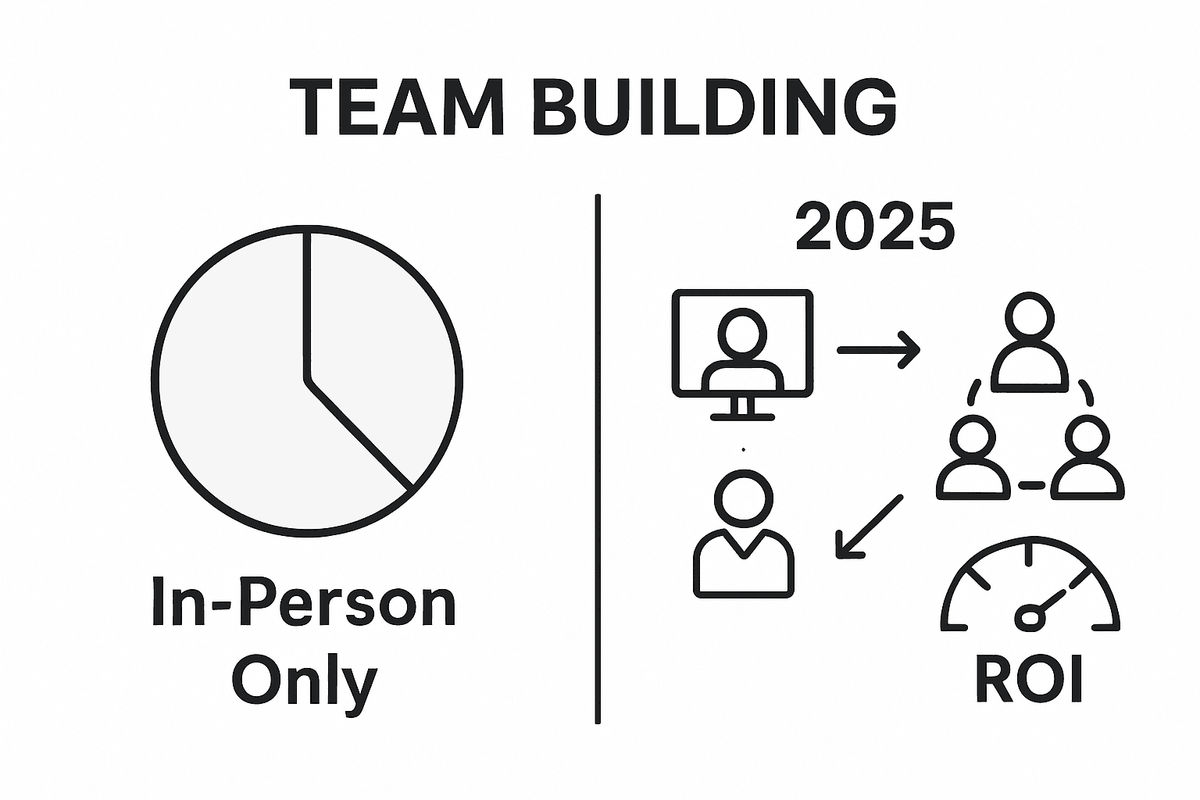
Engagement measurement has become increasingly sophisticated, moving beyond simple participation tracking to understanding deeper psychological and collaborative indicators. McKinsey's data-driven models challenge conventional wisdom by introducing more holistic approaches to evaluating team performance, emphasizing the critical nature of qualitative and quantitative assessment strategies.
Key challenges in team building and performance measurement include:
- Quantifying Intangible Contributions: Developing metrics that capture collaborative value
- Psychological Engagement Tracking: Measuring motivation and emotional investment
- Cross-Platform Performance Analysis: Evaluating teams working across multiple work formats
- ROI Calculation: Translating team development investments into tangible business outcomes
Successful organizations recognize that meaningful engagement and performance measurement require a multidimensional approach that balances data-driven insights with human-centric understanding, creating a comprehensive view of team effectiveness that goes far beyond traditional productivity metrics.
Elevate Your Team Building with Interactive Quiz Experiences
In 2025, team building demands more than routine activities. As highlighted in the article, challenges like boosting engagement, fostering psychological safety, and measuring true performance require innovative solutions that connect teams across remote, hybrid, and in-person environments. The key is to create personalized, dynamic, and interactive experiences that break down communication barriers and build genuine connections.
At quizado.com, we understand these needs deeply. Our platform offers customizable team-building games inspired by popular game shows, designed specifically to enhance collaboration and fun while supporting diverse team formats. With features like team configuration, remote smartphone controls, branded interfaces, and a rich question bank, Quizado helps you transform team engagement into measurable results.
Interactive team games are not only enjoyable but strategically aligned with the 2025 trends of gamification and adaptive learning. Make your team building meaningful, inclusive, and tailored to your company’s unique culture.
Explore customizable quiz experiences now and take the first step toward a more connected and effective team. Bring your team together with Quizado’s flexible solutions today.
Frequently Asked Questions
What are the key characteristics of modern team building in 2025?
Modern team building in 2025 focuses on technological integration, psychological safety, adaptive learning, and performance analytics to foster continuous collaboration and strong relationships.
How has technology influenced team building practices in 2025?
Technology has revolutionized team building by enabling interactive experiences, gamification, and the use of digital platforms for collaboration, facilitating engagement, and breaking down communication barriers.
What challenges do organizations face in measuring team engagement and performance?
Organizations struggle with quantifying intangible contributions, tracking psychological engagement, performing cross-platform performance analysis, and calculating ROI from team development investments.
How can personalization enhance team engagement in organizations?
Personalization can enhance team engagement by addressing individual strengths, learning styles, and psychological needs, creating tailored strategies that support both individual and collective growth.
Recommended
- Team-Building Best Practices 2025: Complete Guide - Blog
- 2025 Team Building Methods: Complete Guide for Teams - Blog
- Understanding Team Building Tips 2025 for Effective Teams - Blog
- Why Adopt Hybrid Team Building: Complete Guide - Blog
- Complete Guide to Digital Insurance Trends 2025 - Digital Insurance Platform | IBSuite Insurance Software | Modern Insurance System

